Premium websites for high-end builders: what they should actually do
A high-end builder's website should do more than look impressive. It should make quality clear, strengthen referrals and help the right clients start a conversation.
For high-end builders, the goal is rarely the greatest possible number of leads. It is well-suited projects from people who value good architecture, considered construction and a professional building experience.
That requires something more thoughtful than a construction template, attractive photographs and a contact form. A strong website should feel like the business itself: calm, capable, considered and exceptionally well resolved.
Your website is where referrals are checked
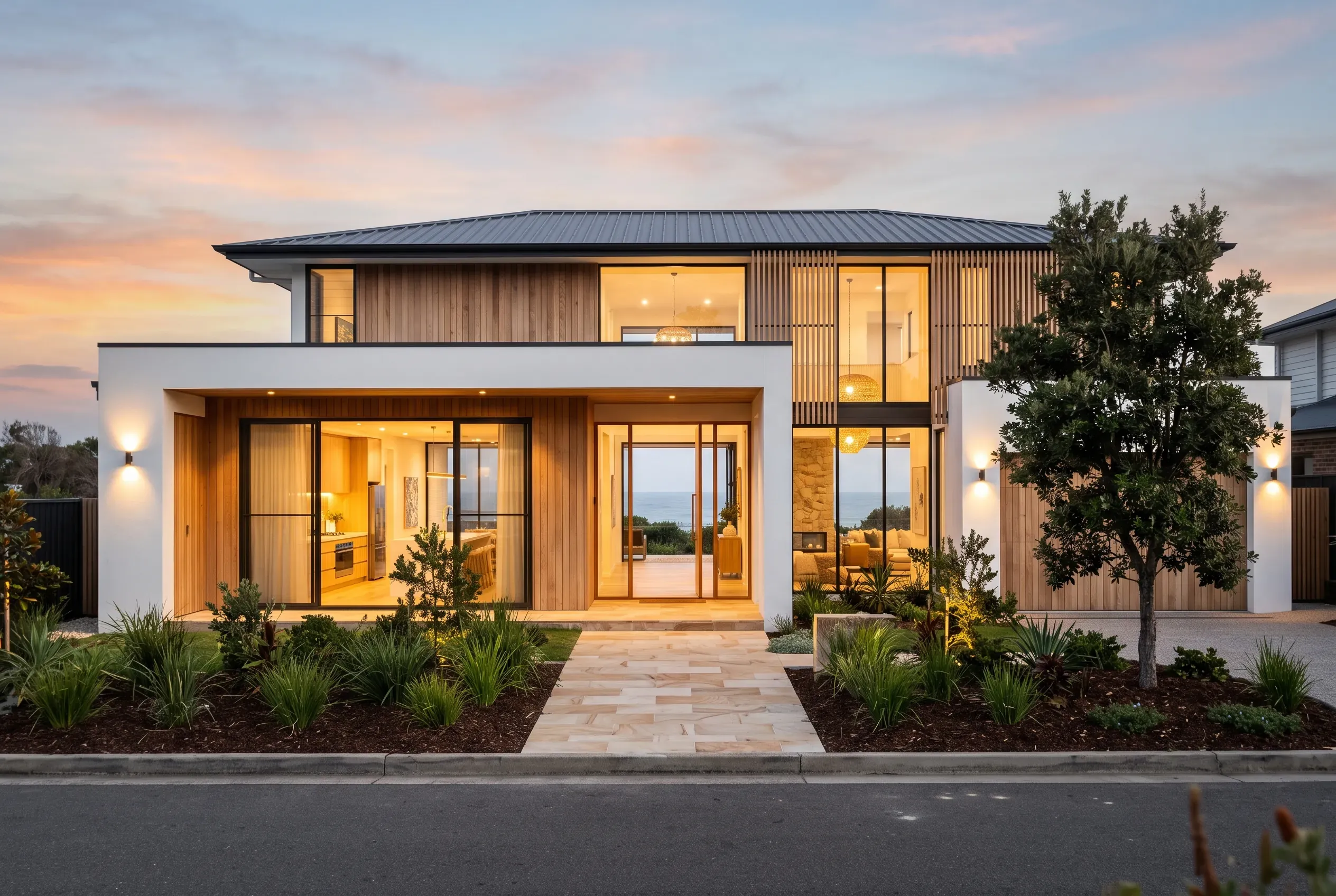
Many substantial residential projects begin through reputation. A past client recommends the builder, an architect introduces them, or someone sees a completed home and asks who built it.
The next step usually happens online. The prospective client looks up the business, opens the website and begins deciding whether the recommendation feels credible.
A referral may introduce the builder. The website helps the client decide how seriously to consider them.
When the site feels dated, generic or incomplete, it creates a gap between the quality people have heard about and the quality they can actually see. A well-made website closes that gap.
Premium is not a particular visual style
A premium website is not defined by any particular look; dark or light, bold or understated, good websites take many directions. The quality is found in the way the entire experience has been resolved:
- The photography is given room to breathe.
- The writing is clear and specific.
- The navigation is simple.
- The typography is easy to read.
- The mobile version feels properly designed.
- Pages load quickly and move smoothly.
- Nothing feels copied from another builder.
The strongest high-end builders’ websites are often restrained. They do not need to announce that the work is luxurious or beautifully crafted because the projects, details and presentation already demonstrate it.
The website should work like a well-designed home: the materials, proportions and detailing make the point without needing to explain themselves.

What a high-end builder’s website should include
Most high-end builders’ websites need the same foundations:
| Page | What it should do |
|---|---|
| Homepage | A strong introduction to the work, location and type of builder, without trying to explain the entire business immediately. |
| Projects | Individual project stories combining photography, concise descriptions, collaborators and relevant construction details. |
| Services | Enough information for prospective clients to understand whether the builder is suited to the work they are planning, plus a plain-language outline of how a project moves from an early conversation through construction and handover. |
| About | The people, experience and approach behind the business, written with enough substance to feel genuine. |
| Contact | A simple form that gathers useful starting information without making the client feel as though they are completing an application. |
The rest of this guide is about getting each of them right.
Show the standard instead of repeatedly claiming it
Most building websites rely on the same familiar language: quality craftsmanship, attention to detail, exceptional service and homes built to the highest standard. The ideas may be true, but the phrases are so widely used that they no longer tell a prospective client very much. Specific evidence is more persuasive.
Show the difficult detail that was executed properly. Explain how the builder became involved during documentation. Describe how the team communicates with the client and architect. Include examples of complicated sites, unusual materials or construction challenges that required careful planning.
The strongest websites allow prospective clients to reach the conclusion themselves: these people know what they are doing.
Treat every project as a story, not just a gallery
The project portfolio will usually carry more weight than any other part of the website, but it should provide more than a grid of impressive images.
Each featured project should help the reader understand:
- The original brief.
- The scale and type of construction.
- The site or design challenges.
- The builder’s role in solving them.
- The architects and designers involved.
- The details that made the project distinctive.
A photograph of a completed stair may look beautiful. A short explanation of how its structure, joinery, lighting and balustrade were coordinated reveals far more about the builder’s capability.
Project descriptions do not need to become long technical case studies. A few well-written paragraphs, a concise list of project details and a carefully selected image sequence are often enough.
Professional photography needs to be planned properly
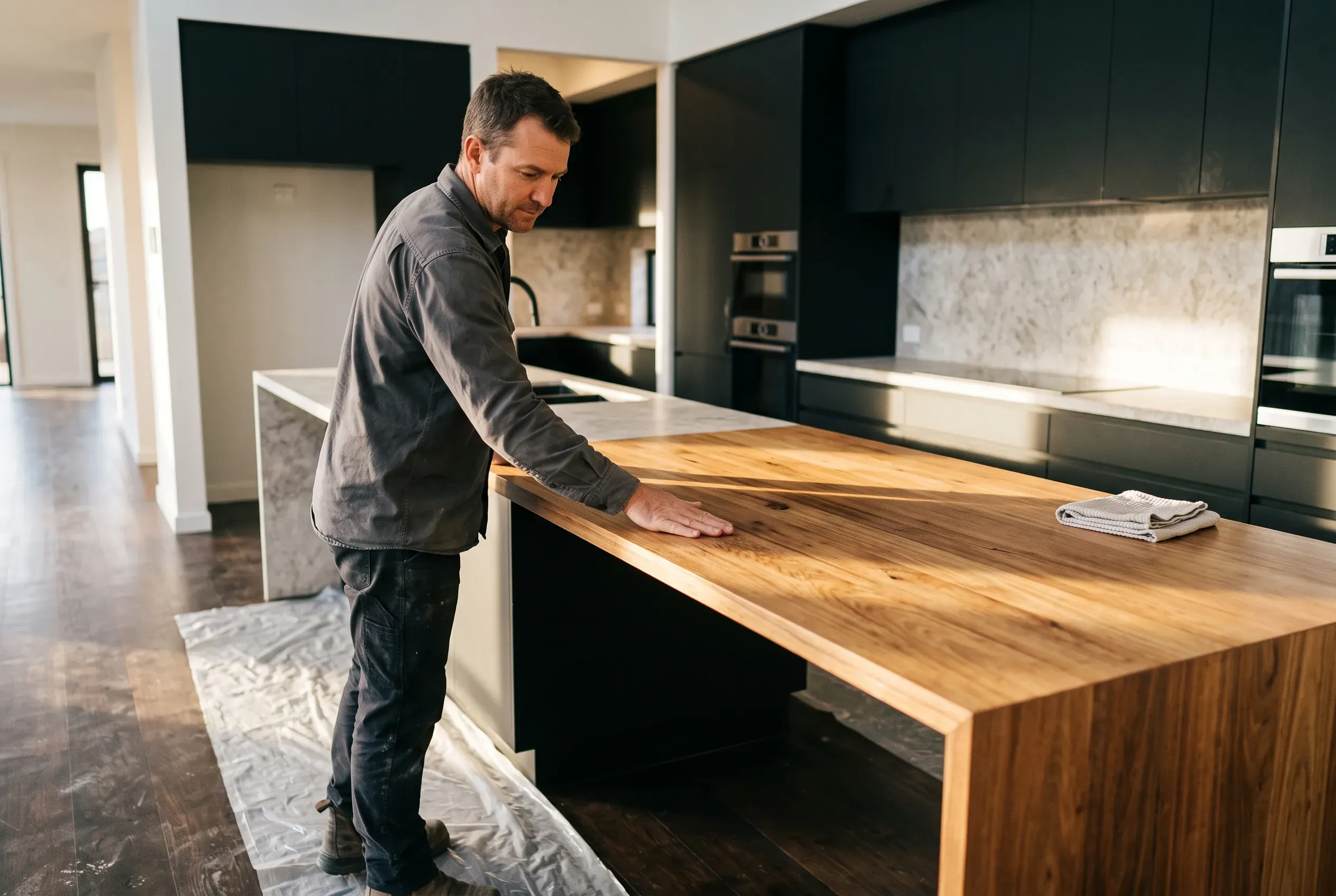
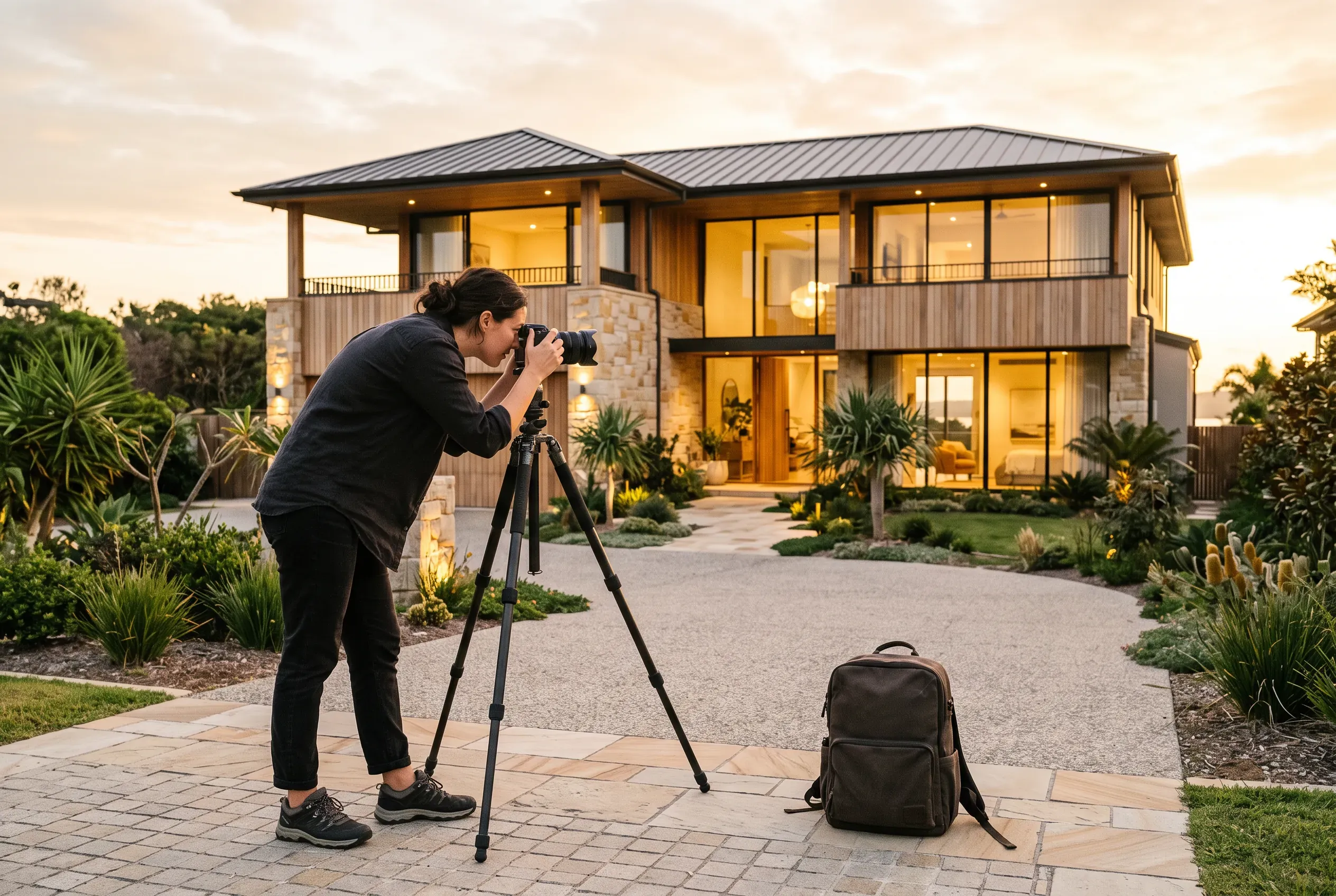
For a high-end builder, professional photography is essential. It should capture the overall architecture, key rooms, material details and the workmanship that sets the project apart.
The important thing is to sort out image usage before the shoot. Architects often commission the photographer, and using the images on the builder’s own website can require an additional licence or substantial fee. Ideally, the builder, architect and photographer should agree in advance on who can use the images and where they can be published.
Confirm the image rights before the shoot, not when the website is being built.
When the licensing is too restrictive or expensive, commissioning a separate shoot may be the better option: the builder then has a properly licensed set of images to use across the website, social media, awards and marketing.
Explain what it is like to build with you
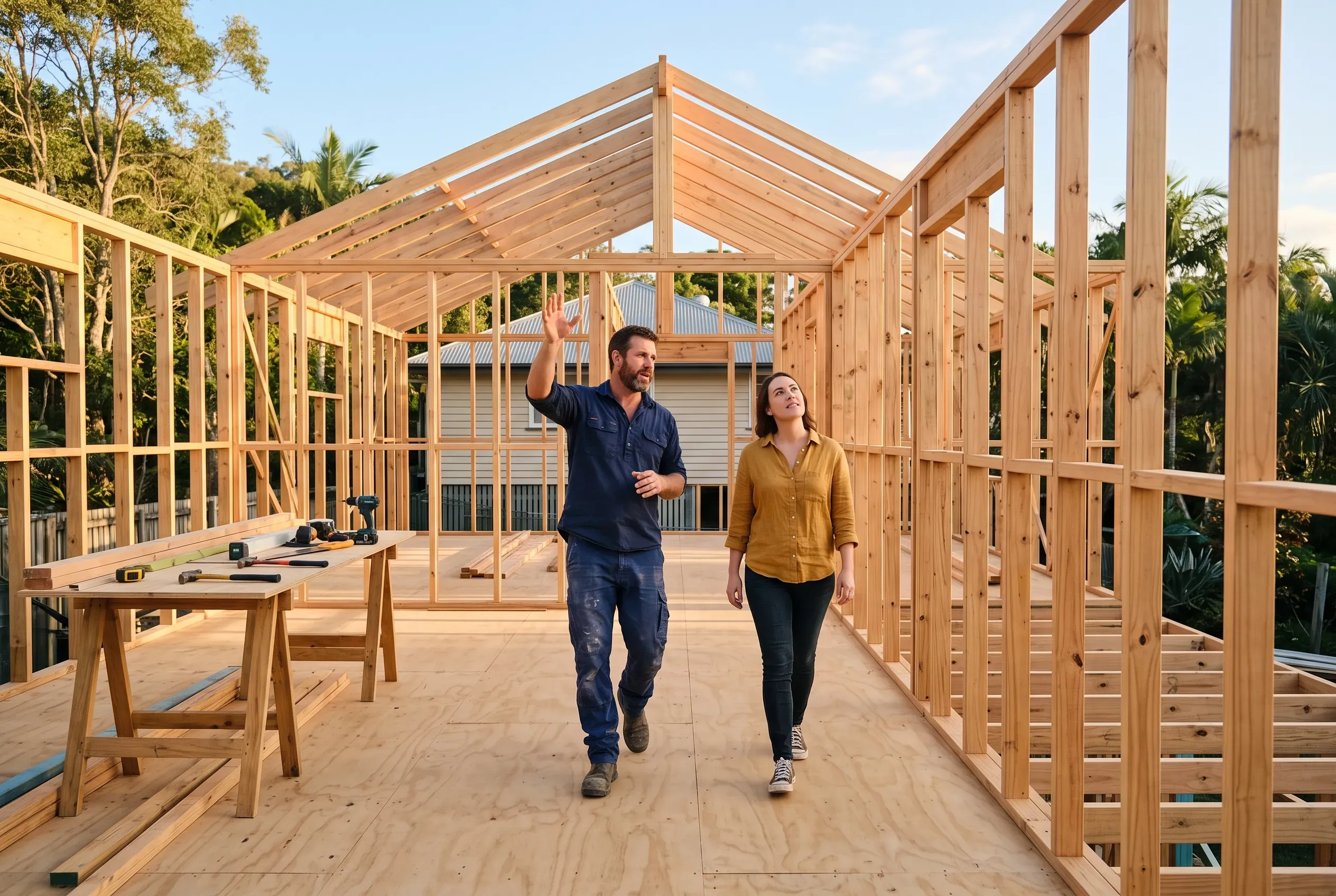
Completed homes show that the builder can produce an excellent result. They do not necessarily explain what the years between the first meeting and handover will feel like.
They want to know who will manage the project, how decisions will be documented, how variations are handled and what happens when the drawings meet the realities of the site.
A clear process section can answer these questions without becoming overly detailed. It might cover:
- Initial project review.
- Preconstruction and early collaboration.
- Pricing and documentation.
- Construction and communication.
- Completion, handover and aftercare.
The purpose is not to publish every internal system. It is to show that the business has a considered way of operating and that the client will be supported through it.
Help the right clients recognise a good fit
A high-end builder’s website should not try to look suitable for every person and every project. It should make the builder’s position reasonably clear:
- New homes, major renovations or both.
- Architect-designed, design-and-build or another model.
- Geographic service area.
- Preferred project scale and complexity.
- The stage at which the builder should become involved.
- The kinds of client and consultant relationships that work best.
This does not require an aggressive qualification form or a large minimum-budget warning. Much of it can be communicated through the projects selected, the language used and the way the services are described.
A smaller number of properly aligned conversations is generally more valuable than a large volume of enquiries that were never likely to progress.
Make the content easy to scan on a phone
A prospective client may first open the website while sitting with their architect, after seeing a site sign or when a friend sends them a link, and there is a good chance they will be using a phone.
The mobile site therefore needs more than responsive sizing: it needs a reading rhythm designed for a smaller screen. That usually means:
- Shorter sections with clear headings.
- Strong images placed throughout the page.
- Useful pull quotes and highlighted statements.
- Compact project facts and bullet lists.
- Comfortable text sizes and line lengths.
- Simple galleries that are easy to swipe through.
- No intrusive pop-ups or constant sales prompts.
Large paragraphs can still work when the writing flows naturally, but the page should not become an uninterrupted wall of text.

Reviews are more convincing when they have context
Testimonials are important, but a separate page containing dozens of generic reviews is not always the strongest presentation.
Client feedback becomes more useful when it supports a specific part of the story. A comment about communication can sit near the process section. A testimonial about managing a difficult site can appear within the relevant project. Feedback from an architect can support a section about collaboration.
Specific reviews are particularly valuable because they explain what the builder actually did well.
A statement such as “great builder, highly recommended” is positive. A client describing how the team managed design changes, communicated clearly and maintained quality through handover gives future clients something much more meaningful.
Write like experienced people, not a luxury brochure
The tone should sound like capable people speaking plainly about work they understand. It does not need to imitate an architecture magazine, and it should avoid both corporate language and exaggerated luxury claims.
The best writing is confident enough to be specific while remaining restrained enough to let the work carry the story.
Useful website content should answer the questions serious clients are already considering:
- What kinds of homes do you build?
- Where do you work?
- When should we involve you?
- How do you collaborate with architects?
- Who will manage our project?
- What happens during the early stages?
- What makes a project suitable for your business?
When these questions are answered clearly, the website begins doing useful work before anyone makes an enquiry.
Support referrals, Google and AI discovery together
Referrals may remain the strongest source of high-quality projects, but they are not the only way prospective clients find builders.
Someone relocating to the area may search for an experienced custom home builder. A client may look for builders who have delivered a particular architectural style. An architect may search for the company after seeing one of its completed projects.

Search engines and AI assistants also need clear information about the services, locations and types of work the business is relevant for. That does not mean filling the site with repetitive SEO pages. It means organising the real information properly:
- Give important services clear, useful pages.
- Describe project locations where appropriate.
- Use meaningful headings and project titles.
- Explain the process in straightforward language.
- Clearly state the regions the business serves.
- Add new project stories as work is completed.
A website written clearly for prospective clients is also easier for search engines and AI systems to understand.
Make sure the website keeps pace with the business
A builder’s work usually improves and evolves over time. The projects become larger, the detailing becomes more refined and the business becomes clearer about the clients and architects it wants to work with. The website should reflect that progression.
When the portfolio is dominated by older or less relevant projects, or the writing is vague and the design feels dated, prospective clients may form an impression based on work the builder has already moved beyond.
A strong website creates a structure that can grow with the company. New projects can be added easily, older work can be retired when it no longer represents the standard, and the positioning can evolve without rebuilding everything from the beginning.
Over time, the site becomes a properly documented record of the business’s best work, strongest relationships and most valuable experience.
Frequently asked questions
Do builders actually get work from their websites?
What should a high-end builder's website include?
How much should a builder spend on a website?
How long does a new website take?
Can a builder use photos of finished projects on their website?
Is it a red flag if a builder has no website?
How we can help
Modern websites, brand identity, visual assets, and content - built to help your business get found and look the part.
- 01
Get in touch and
tell us what you need. - 02
Review where you are
and what is holding you back. - 03
Get a clear proposal
with scope and pricing.
No obligation, no hard sell.
Based in Northern NSW · Australia-wide
Message sent
Thanks, your message is on its way. We read every enquiry personally and will be in touch soon.